 Moscow2nd Kozhukhovsky proezd, 25s7

 Round-the-clock


 Moscow, 2nd Kozhukhovsky proezd, 25s7
Renting Photo Equipment: How to Assemble a Shooting Kit and Forget Nothing
Get back to News and Events

Renting Photo Equipment: How to Assemble a Kit and Forget Nothing
On set, it's more often a small detail than the camera that derails a shoot: the photographer has no spare battery, the memory card won't record the required format or doesn't fit the slot, or the flash has no adapter for the stand. You should start from the shooting task, not from a list of the most expensive items. First, the photographer confirms the location, determines the genre and shift duration, then selects the camera, lenses, lighting, and consumables for the given conditions.
Where to Start When Choosing a Camera and Lenses
The camera is chosen based on the type of shoot. For studio portraits, a camera with a sensor resolution of at least 24 MP is enough, while for reportage, fast and accurate autofocus and burst shooting speed are more important. If the photographer also shoots video, it's worth immediately checking which codecs, formats, and frame rates the model supports. Decide whether you need in-body image stabilization.
Lenses are selected taking into account the distance to the subject, the size of the room, and the artistic goal. In a cramped apartment, a wide-angle lens with a focal length of 16–35 mm will come in handy; for portraits, 85-105 mm; for shooting from a distance, 70-200 mm. A fast lens with an aperture of f/1.2–f/1.8 helps in low light when flash cannot be used.
Lighting, Mounts, and Consumables
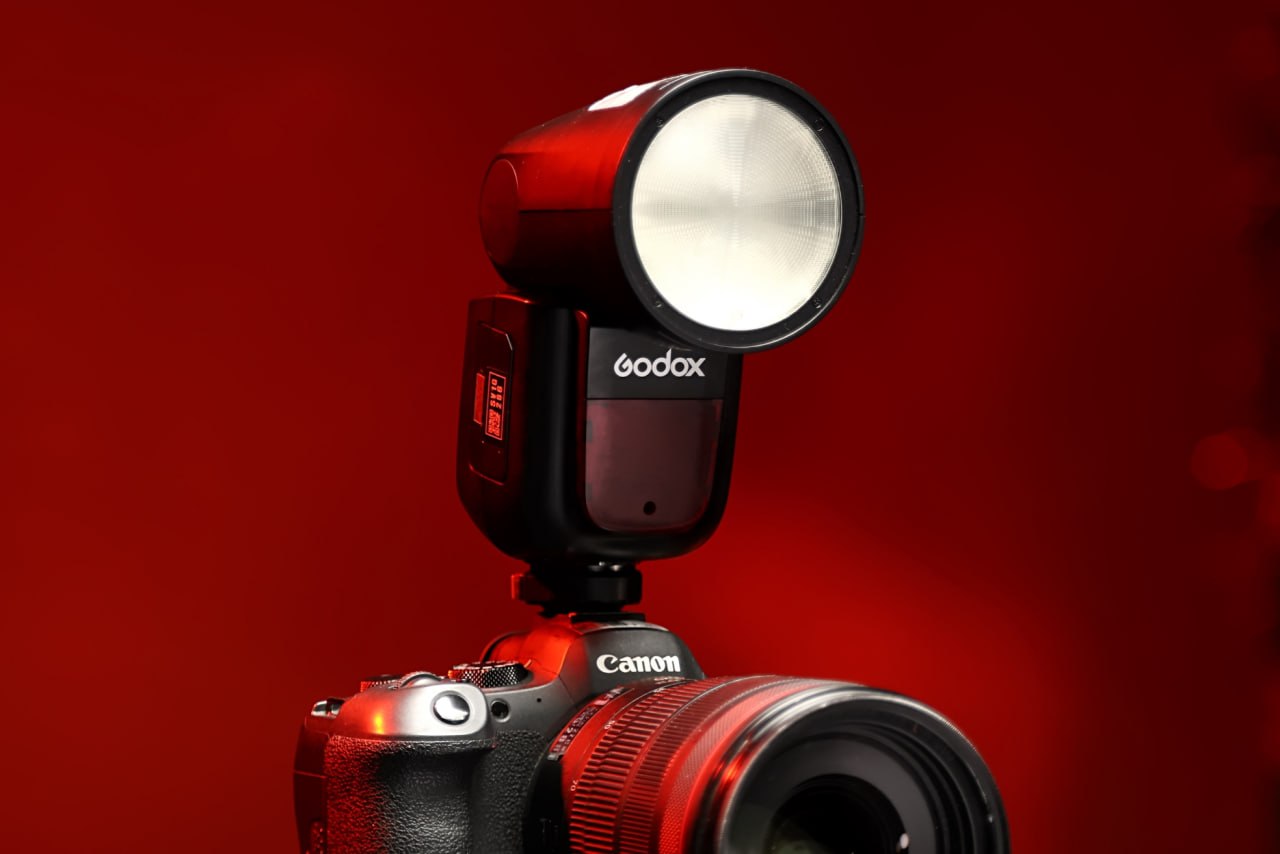
In the studio, the basic kit is two or three light sources, a snoot, a flag, and a reflector. But even on-location shoots may require lighting fixtures. Each light source needs a stand, and the stand needs a suitable mount. Separately, check whether the flash syncs with the camera via a radio trigger.
Small items are easy to overlook, so when placing an order for photo equipment rental, check their availability and compatibility separately. You will need:
• at least two spare batteries per camera and a charger;
• memory cards with extra capacity and a card reader;
• sandbags for secure fixation of stands and frames;
• extension cords and cable reels so you don't depend on the location of outlets on site.
Lenses are selected taking into account the distance to the subject, the size of the room, and the creative task. In a cramped apartment, a wide-angle lens with a focal length of 16–35 mm will come in handy; for portraits, 85–105 mm is suitable; and for shooting from a distance, a 70–200 mm telephoto lens is needed. A fast lens with an aperture of f/1.2–f/1.8 helps in low light when flash cannot be used.
How to Check the Kit at the Rental Pickup
When receiving the equipment, you must turn on the camera, take several shots with each lens, and make sure the sensor and optics are clean and undamaged. Then check whether the flash fires from the trigger and whether the stands hold the load. Such a check takes little time and saves the photographer from surprises on set.
If the shoot lasts several days, it's more convenient to arrange the rental of photo and video equipment for the entire period at once than to book separately for each shift: the kit won't have to be disassembled and re-registered. Before returning, it's worth transferring the shots from the memory cards and verifying the equipment against the handover certificate.
A kit assembled according to a clear technical specification and checked against a list allows you to focus on creative work rather than searching for a missing cable. The more detailed the photographer describes the shooting format, the more accurately the shooting equipment can be selected.
By the way, for everyone interested, we have prepared detailed video guides on checking cameras and optics before shooting
