 Moscow2nd Kozhukhovsky proezd, 25s7
 Round-the-clock


 Moscow, 2nd Kozhukhovsky proezd, 25s7
C-Stand Bases: 3 Types & Mounting Guide
Get back to News and Events

C-Stand Bases: 3 Types of C-Stand Bases & How to Mount Them
Equipment stability on set starts with choosing the right C-stand base. We break down three popular solutions — from classic designs to systems with a rocker leg. This guide will help you avoid accidents whether you're working in a studio or on uneven terrain.
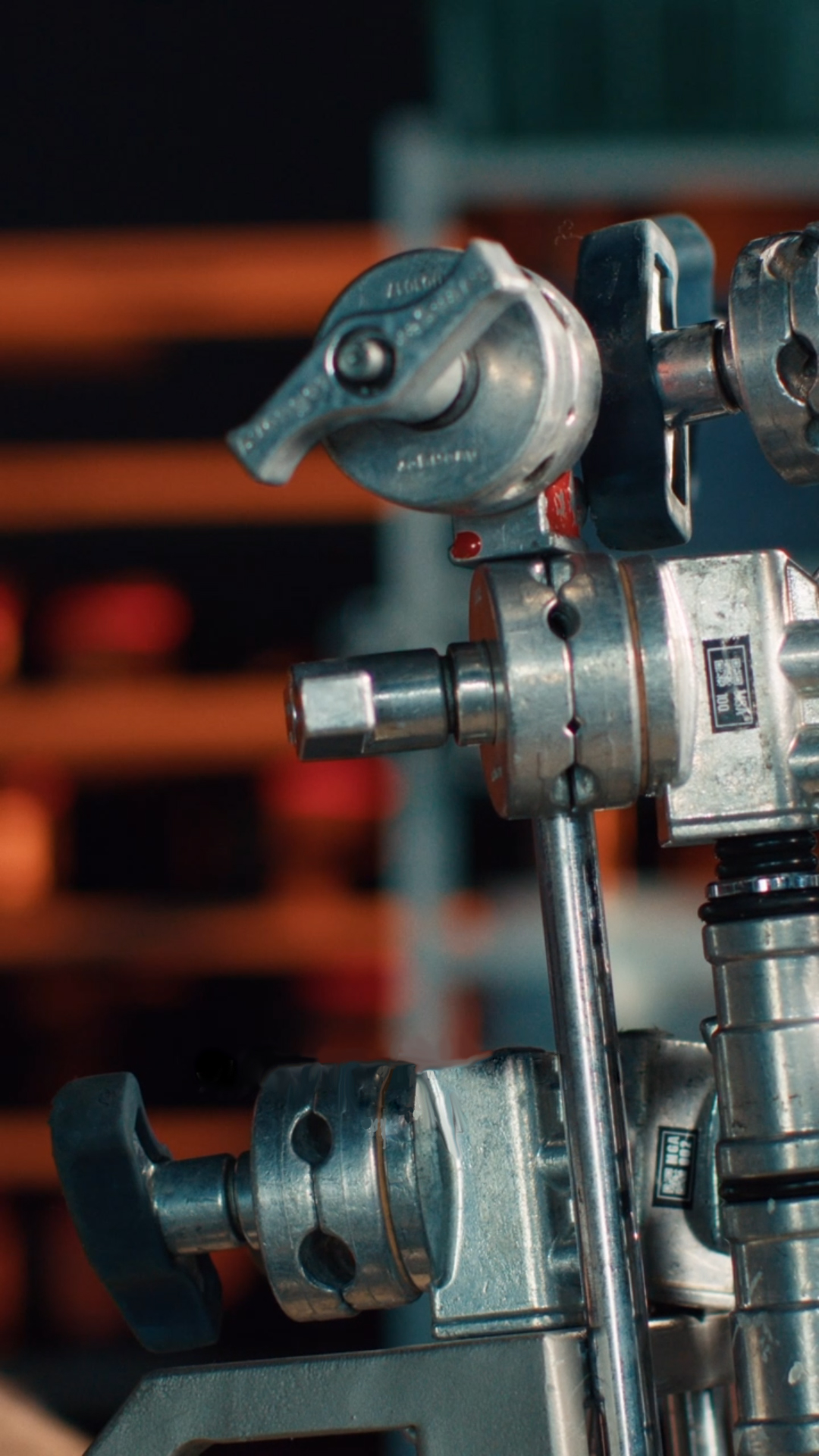
Selecting a base for the C-stand
C-stands are essential for mounting lights, flags, and softboxes. But without a stable base, even the most reliable stand becomes a hazard. Manufacturers offer several solutions — from classic "turtle" bases to professional adjustable systems.
Main Types:
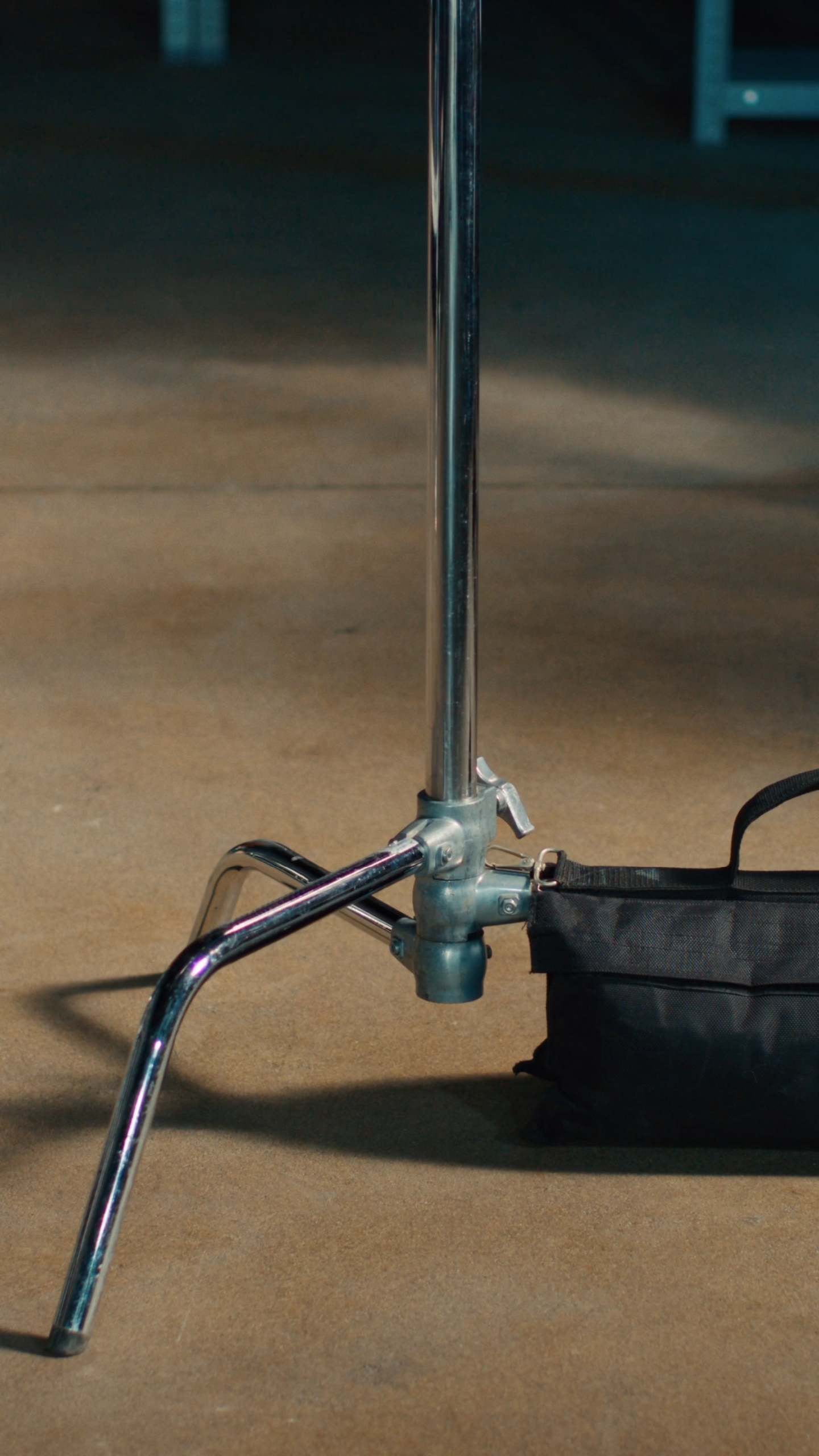 Standard (Classic) Base
A basic model with no adjustments. The ideal choice for studios with perfectly flat floors. Requires strictly vertical setup — height variations are not acceptable.
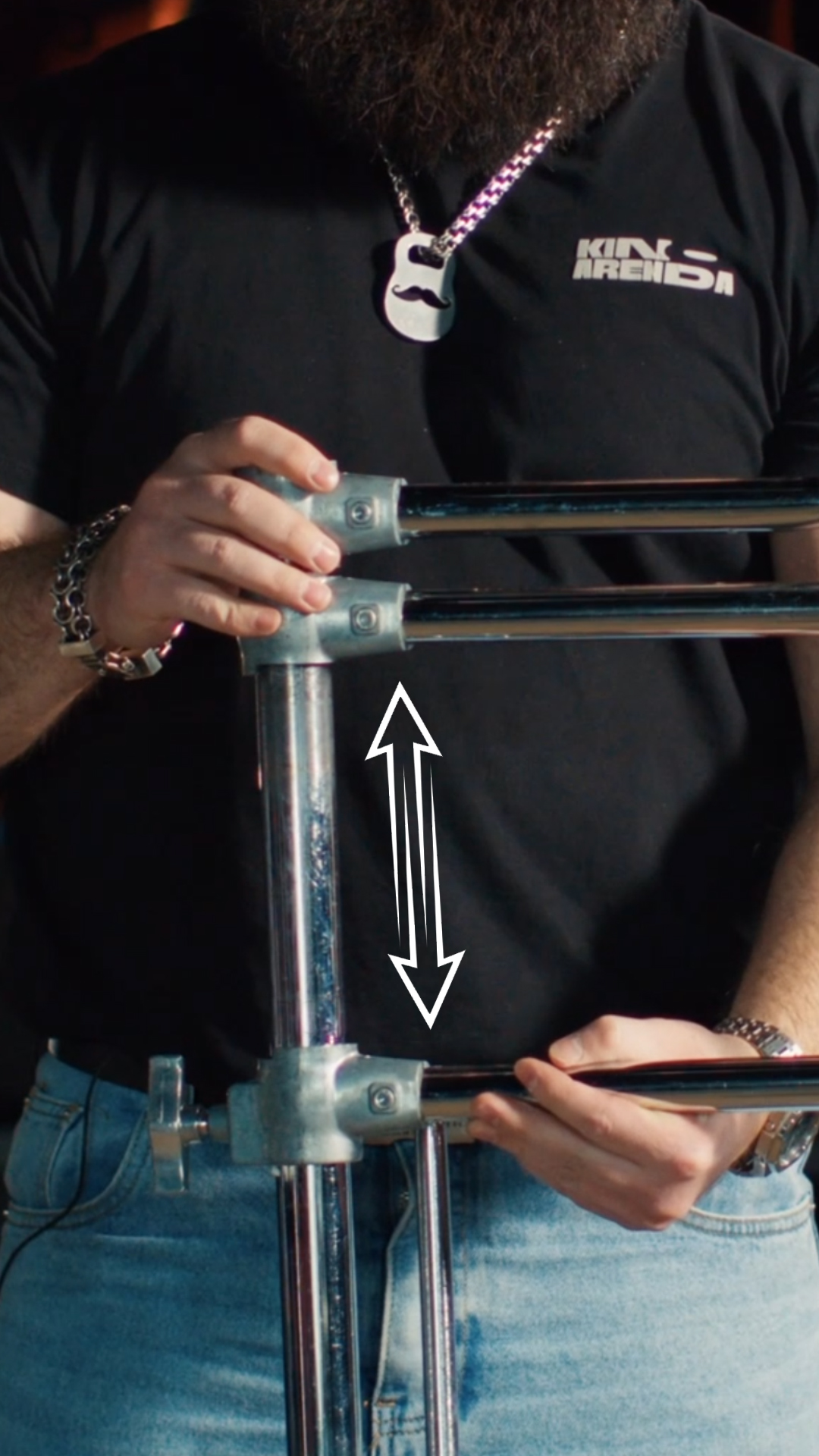
Rocker Leg Base
The main feature is a movable upper leg that slides along its vertical axis.
Where it's useful: On staircases, uneven surfaces, asphalt. To level the stand on a step, simply raise the mechanism to the required height.
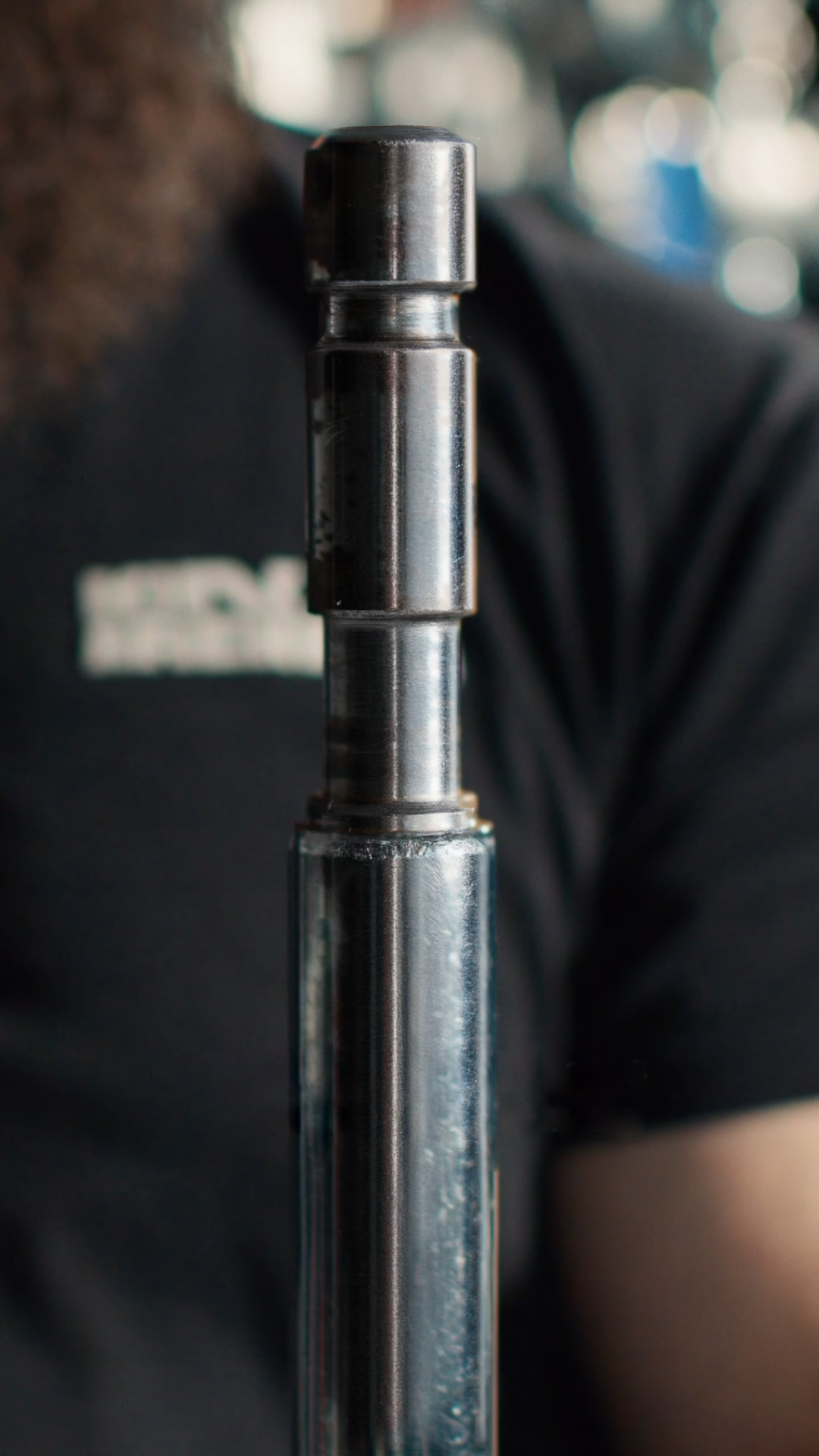
Kupo / removable system
Allows you to use the column separately from the legs;
• the base of the column features a 28mm spigot (pin);
• ability to secure it in a C-clamp on a truss;
• the base can be used as a standalone platform for a fixture.
Bonus of modular systems (Kupo): Instant setup and breakdown with one motion — a must-have for location shoots.
Safe Setup Checklist:
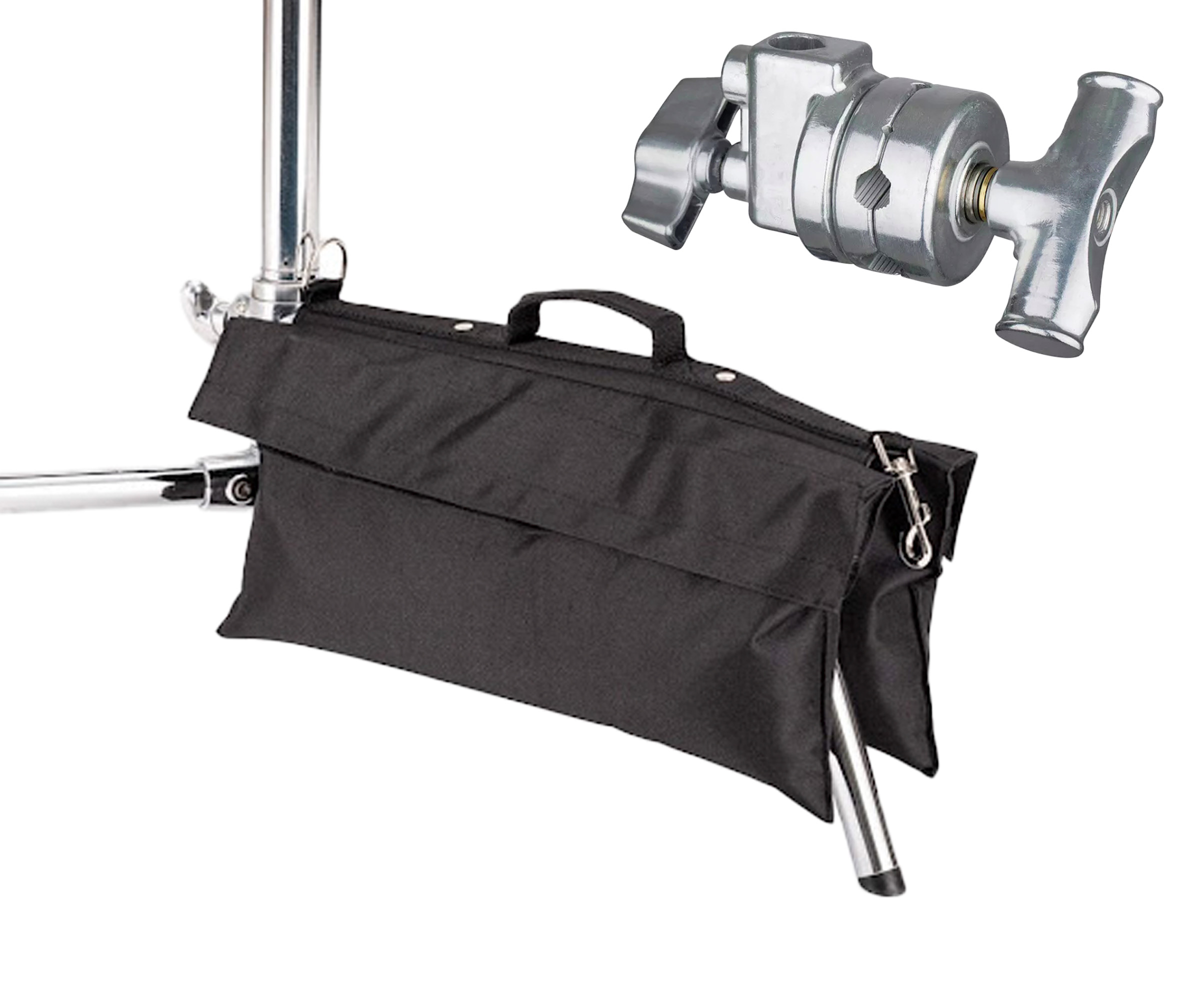
sandbag and grip head
Ballast: Attach a sandbag to the rear side of the base (you can also store cables there conveniently).
Locking: Mount the grip head and tighten it toward the fixture — this prevents sagging.
Floor protection: Use greenbeds (leg protectors) on the feet to avoid scratches and slipping.
Orientation: Point the long leg either toward the load (if booming out) or in the direction of the light beam.
Comparison: Which One Should You Use?

Standard: Studio only, flat floor.
Rocker Leg: Outdoor, stairs, uneven surfaces.
Removable: Trusses, multi-level rigs, frequent relocations (Kupo).
Summary: Stand stability = the right base + proper mounting technique.
